

Everything you need to know about The Dia Space.
In November 2020, Aisha Hassan, Alia Farouk and Kylie Francis launched Dia, a thoughtfully curated online platform offering clothing and accessories by artisanal Southeast Asian brands. Their journey began at the height of the pandemic, and the brand’s commitment to sharing the personal stories behind their partner brands was a much-needed reminder to slow down from the hyper-consumerism–of products as well as online, short-form content–that defined the era.
Dia’s philosophy of conscious shopping continued to resonate with people in the region. It has doubled its roster of partner brands to include more local talent, including fashion designers Khoon Hooi and Wei Hao Yong. Their pop-ups around the city were often well-attended, with loyal customers asking when they were going to find a permanent location. In August 2024, Dia finally opened a physical store in Bangsar Village II.
In 2026, Dia embarks on a new adventure. It finds a second home in a heritage building located in the heart of Kuala Lumpur. Dia Space serves as “a platform for rotating Southeast Asian brands and curated events, bringing the best of the region’s creativity to Kuala Lumpur”, according to co-founder Aisha Hassan.
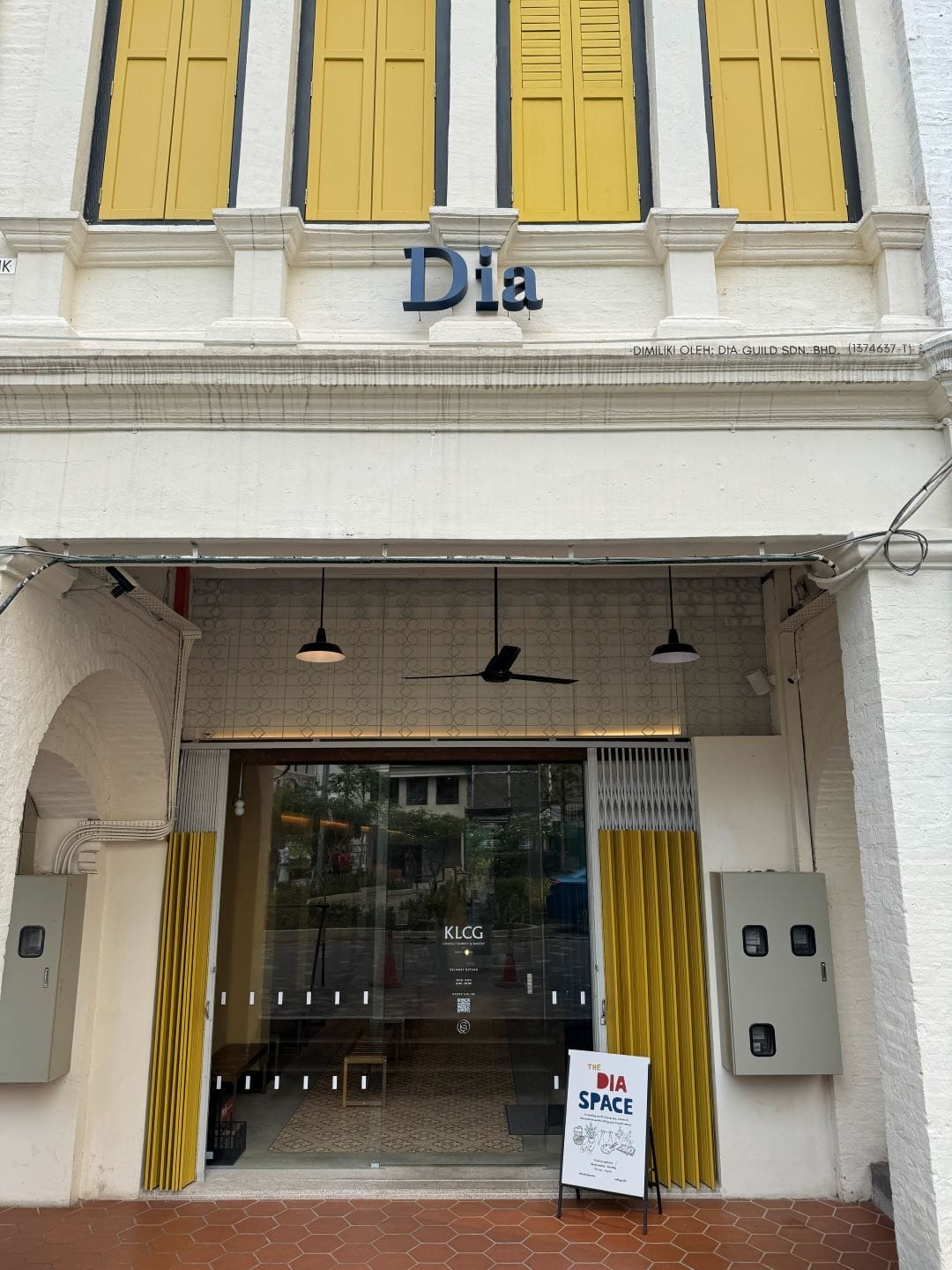
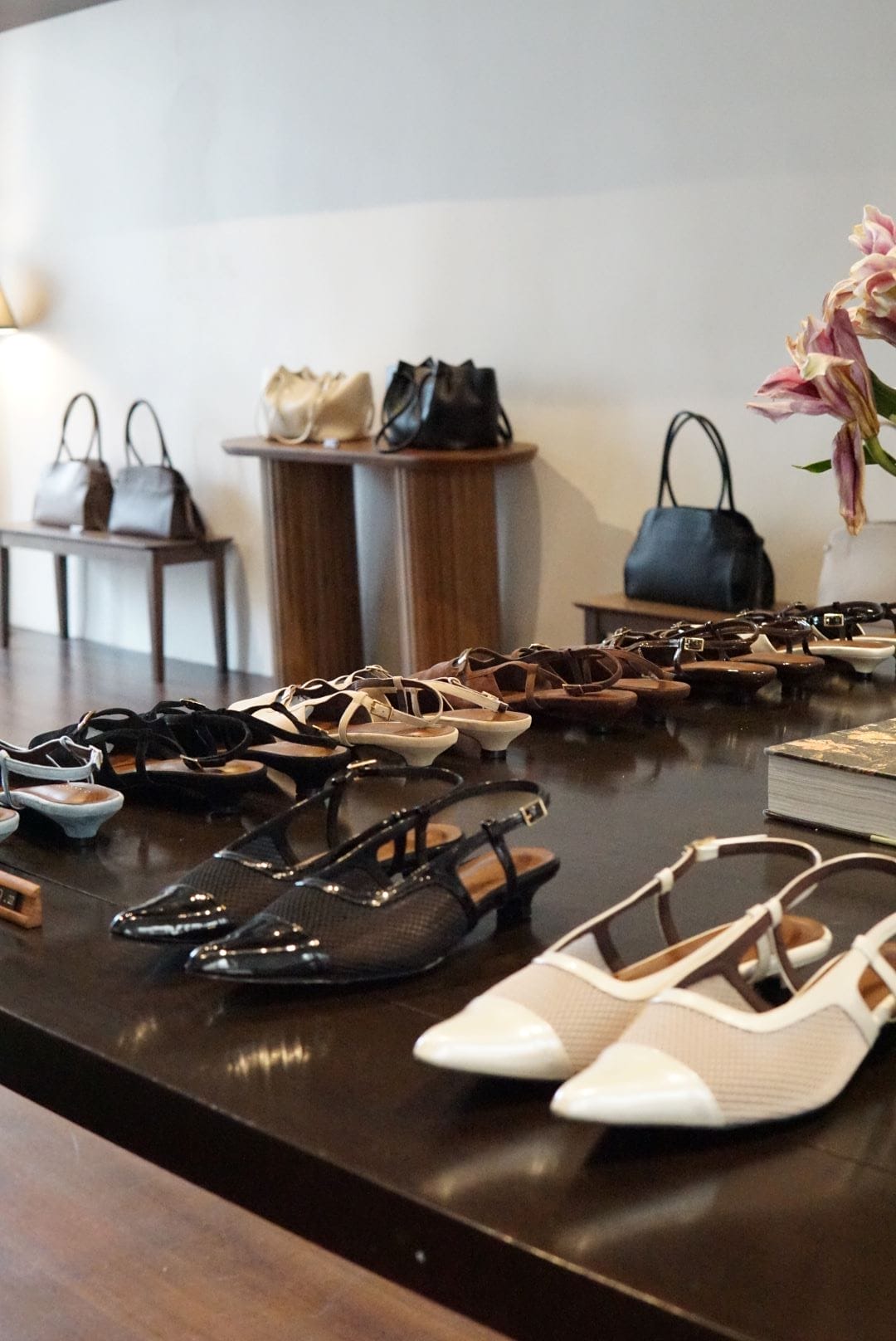
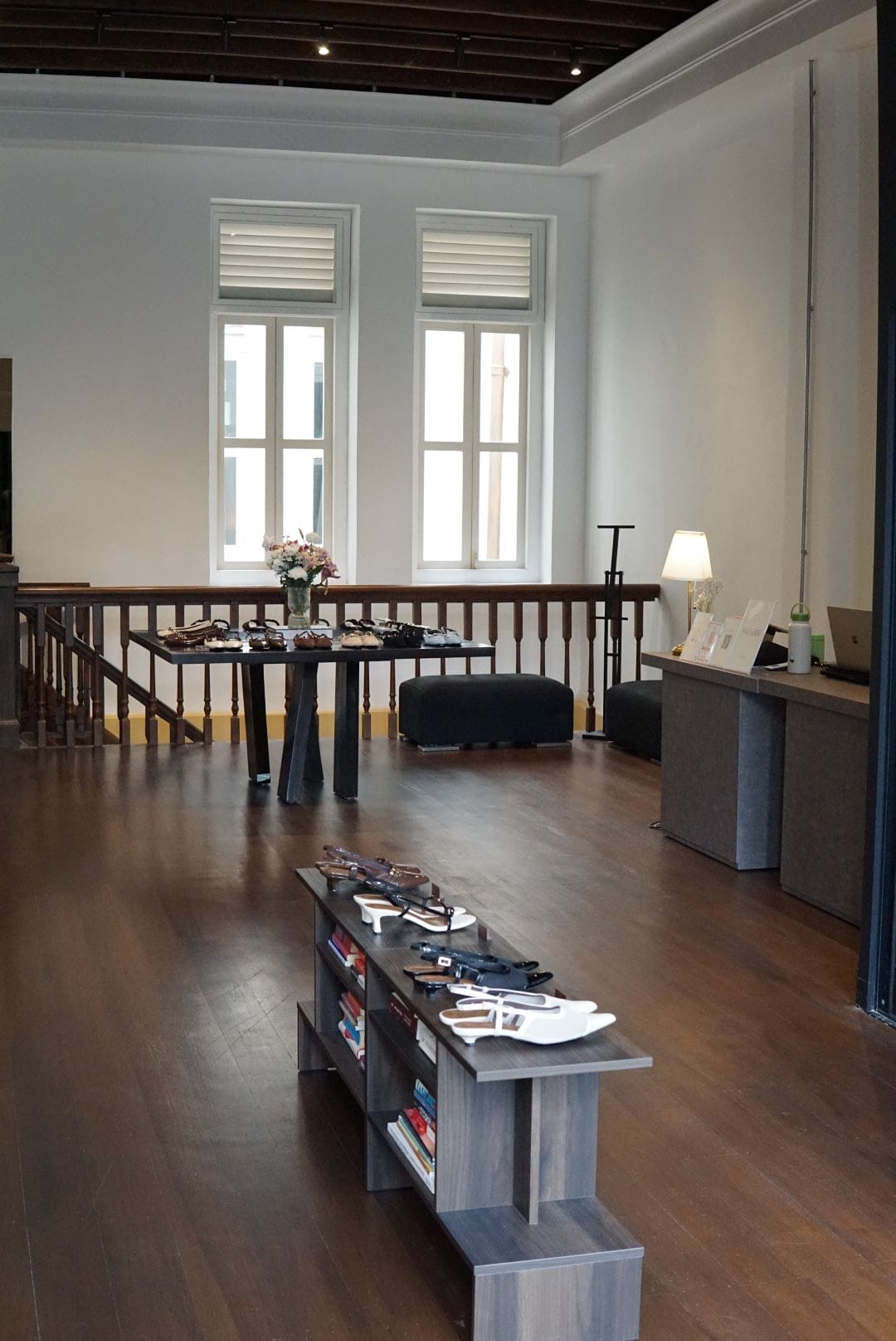
A short walk from the Pasar Seni MRT station, The Dia Space resides within a reclaimed colonial-era shophouse, directly above the family-owned artisan bakery, KLCG. You can spot it by its timber-louvred windows, painted bright yellow. Inside, the space is intentionally designed and decorated, featuring carefully selected books and art pieces by Southeast Asian talents. There is also a selection of fashion pieces by their current partner brand, a Malaysian footwear brand, Snuglier.

“At the heart of this initiative, we strive to support emerging brands and creators by facilitating collaborations, supporting retail pop-ups, and hosting experiential activations that engage the local community. We aim for The Dia Space to be a vibrant destination for discovery and cultural exchange,” says Aisha. The Dia Space is now open to the public and will be hosting several events in January 2026, including a discussion of Ian McEwan’s Atonement with Rish’s Book Club and a journaling workshop, The Art of Becoming, with the Sage Centre.
Read BAZAAR’s exclusive interview with Dia’s co-founder Aisha Hassan about this exciting new cultural hub below.
View this post on Instagram
What is The Dia Space?
It’s a rotating world of pop-up events and residencies where we celebrate the spirit of Southeast Asia. I want it to be a home for different brands to do retail pop-ups, for artists to showcase their work, for community-led initiatives to come together. We hope to bring a shifting space that is alive and vibrant with all the creative endeavours that people in the city and the region are pursuing.
How did this idea come about?
We were really lucky in that the owners of this heritage building reached out to Dia because they felt that our brand and curation would match the vision they’re trying to achieve. They want to build a new, world-class arts and culture hub for the city by tapping into the talent of the region. We looked around the place; the architecture has so much character with these gorgeous rooms. We thought about how expansive it is–so much bigger than the Dia Store in Bangsar Village II–and we knew we could do it.
As for the concept, we knew it had to be something constantly changing; we wanted to keep it compelling to serve not only locals, but all the tourists walking around here. I know the term is overused, but I want Dia Space to be a hidden gem, something unexpected that you stumble upon when you let your curiosity lead. It’s a different sort of retail experience, a different way to discover what the city and the region has to offer.
In terms of curation, will the brands available at Dia Store be different from those featured here in The Dia Space?
Yes! The thing about our Dia store in Bangsar Village II is that we can be limited by space; the brands we feature–and the slightly more premium price point–cater to that catchment area. For the Dia Space, we’re tapping into brands that we’ve always wanted to work with but never had the space to showcase them. They are more independent and community-driven.
Tell us more about the revival of the Medan Pasar.
I think we’ll really see the area come to life in the next few years. It’s exciting because we’re one of the earliest to move in so we’ll have a front row seat. Of course, there’s already KLCG Confectionery & Bakery downstairs, but I know that the developers are planning on bringing in more of the best F&B and retail concepts here. And Muara Arts will be opening down the road from us; it is a new modern and contemporary arts museum to showcase Southeast Asian art.
View this post on Instagram
Do you think Malaysians appreciate a physical shopping experience?
I think so! But I would add to that by saying, I think Malaysians are looking for a physical shopping experience that goes beyond retail. That’s why we want to focus on events and communities. When brands come into The Dia Space, we encourage them to experiment with something more immersive for their customers, for them to experience the brand in a way that is not only transactional, but much more experiential. That’s what we’re trying to build bit by bit.
Does the demand for these physical shopping experiences come from the younger generation?
I think it’s funny because both the younger, up-and-coming generation and a much older generation are opposed to buying online. For a more senior generation, they want that tactile experience. Meanwhile, the next generation has been so inundated by a digital world with artificial experiences and creations. I think there is a hunger to just feel something tangible; something that is undoubtedly real because you can see it with your eyes and hold it with your hands.