

To celebrate International Women’s Day, BAZAAR puts a spotlight on the Malaysian fashion designers who are making waves with their innovative designs.
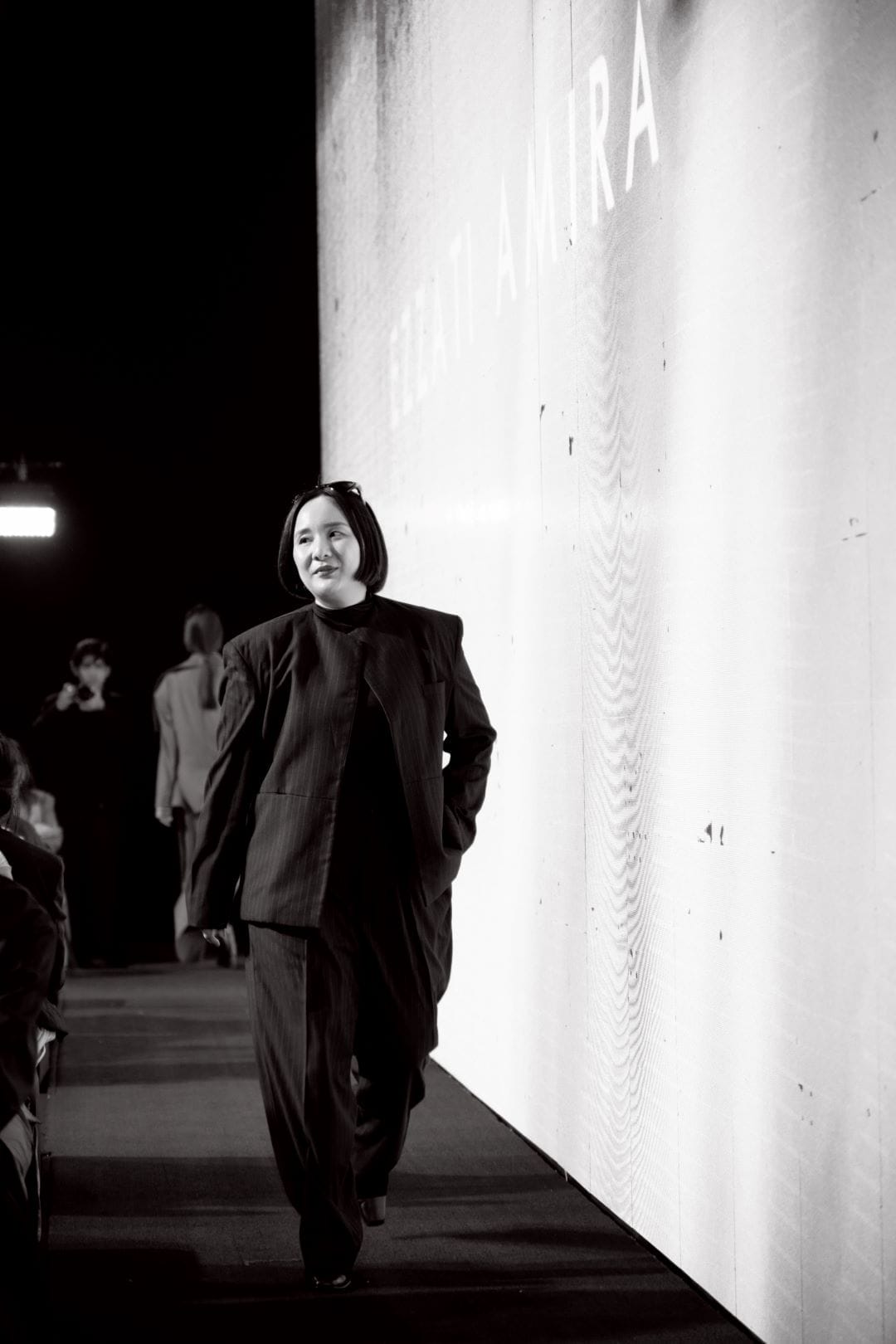
Ezzati Amira
Ezzati Amira has been on BAZAAR’s radar since she launched her eponymous brand in 2013. She made her Kuala Lumpur Fashion Week (KLFW) debut in the same year, becoming a fast darling of the fashion scene for her unconventional–almost rebellious–designs, which incorporated bold graphics, contemporary cuts, and masculine elements. Over the years, the trailblazer refined her visual language, pushing the boundaries of how femininity could look like in clothing for the modern woman. Ezzati was determined to transform perceptions of Malaysian fashion to become synonymous with quality and forward-thinking innovation; but it was not an easy journey.
During the pandemic, the independent label took a step back after years of forging ahead with collection after collection. Now back on the scene with a well-attended homecoming show at KLFW 2023, Ezzati Amira renews her dedication to the cause.
In this interview, Ezzati Amira reflects on her last decade in the fashion industry.
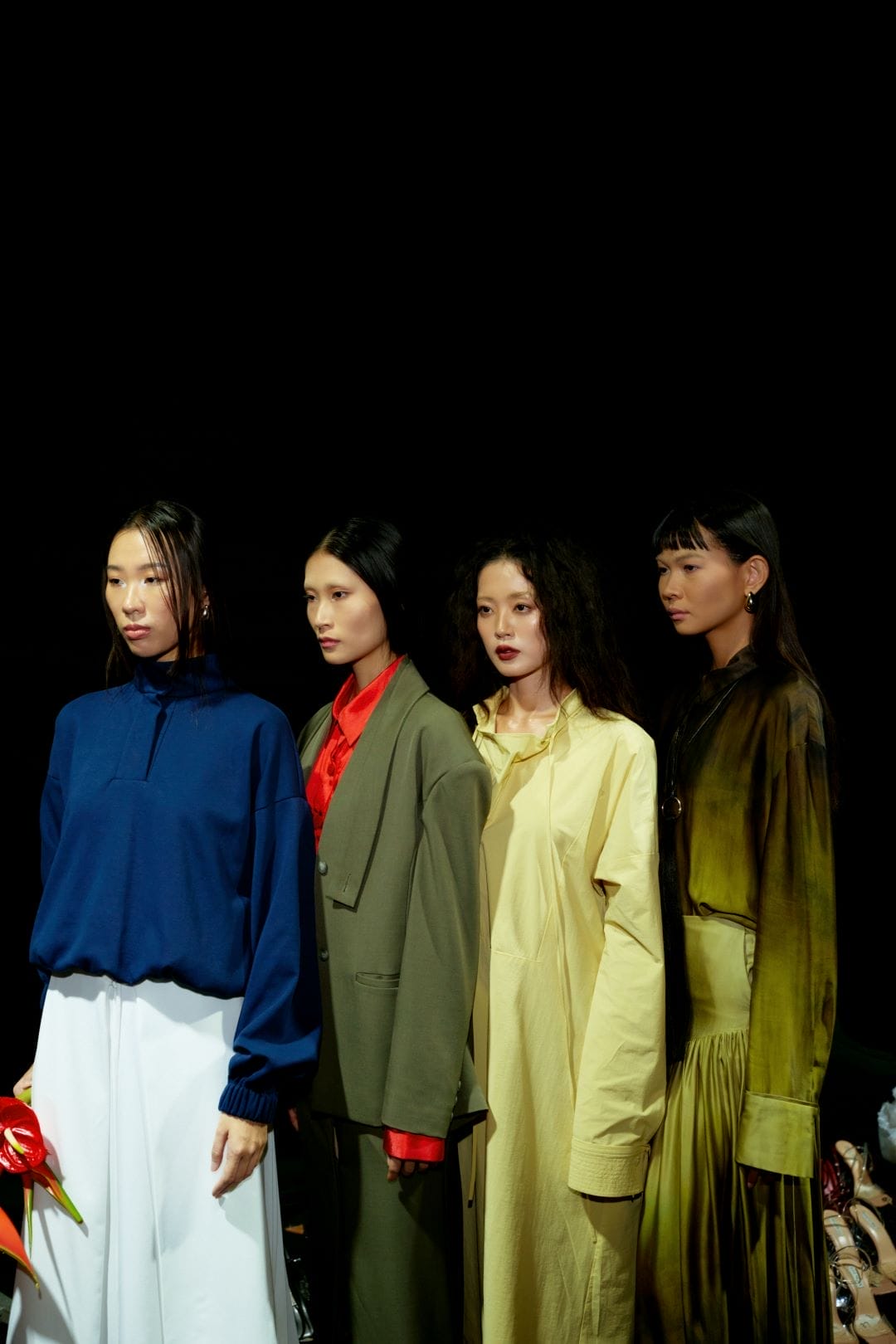
‘Suara: A Quiet Power’ by Ezzati Amira
Let’s go back to the beginning. Was there a moment you knew that fashion was for you?
Ever since I was young, I used to follow both of my grandparents to textile stores. They were my biggest inspiration, especially my grandmother—I would help her with fabric cutting, making patches, and little details, and I had so much fun doing it as a child. I was always sketching and compiling my drawings into scrapbook-style books. When I was 15, I saw a fashion school advertisement. From then on, I started buying and collecting fashion magazines. I was determined to become a fashion designer; sometimes it really hits me that I have been a fashion designer for the last 10 years.
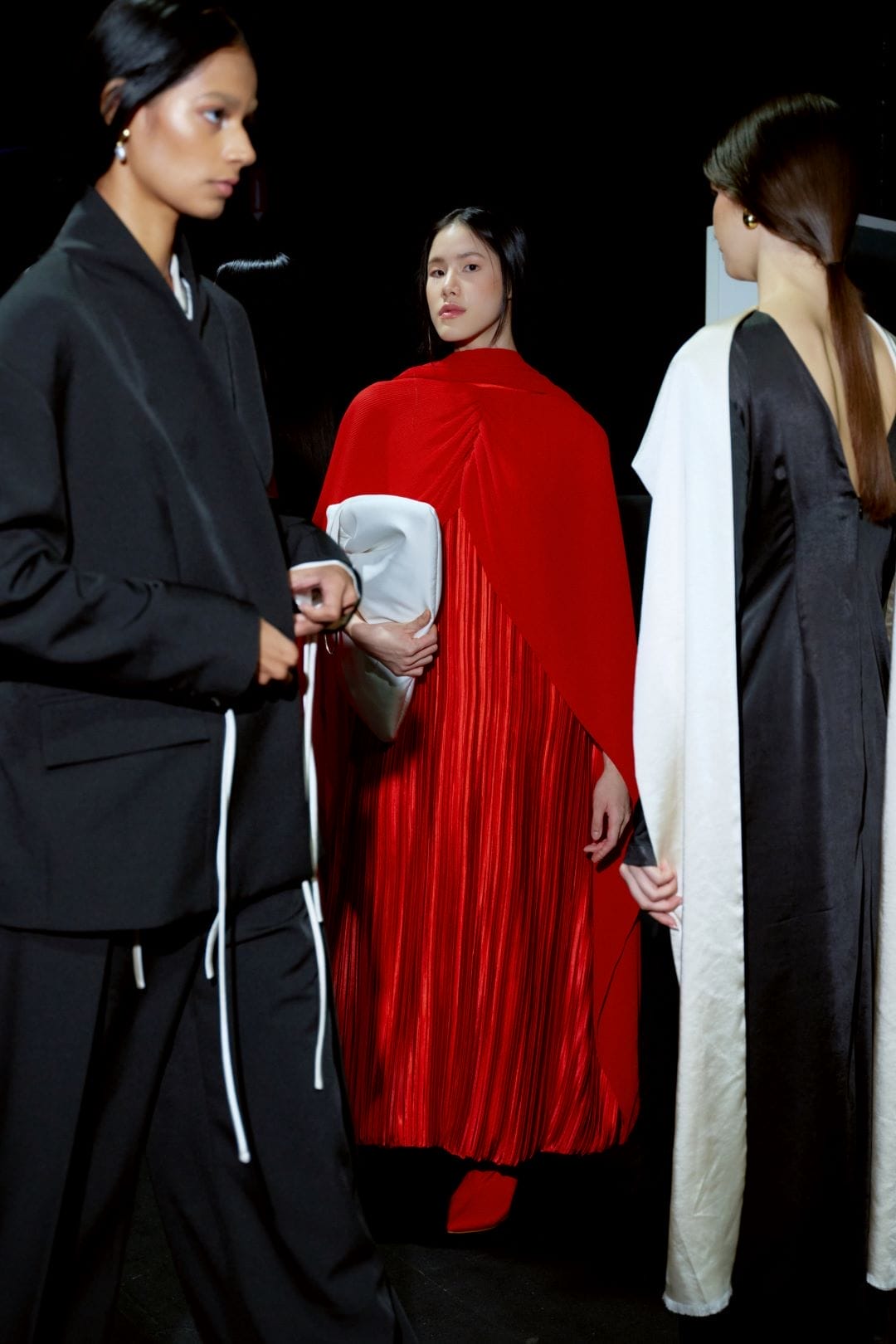
You took a step back from ready-to-wear before making a much celebrated return with your KLFW 2023 show. Tell us more about that time.
My main focus was sustaining the business. We weren’t producing collections that were meant for runway showcases, instead working closely with Zalora to sell through their platform. The pandemic years taught me to take things one step at a time. We didn’t have the capacity to produce three ready-to-wear seasonal collections a year like we did before, but I came to realise that we didn’t have to. When I first started, I wanted to follow the international timeline, but in Malaysia, we don’t really follow strict fashion seasons, so there’s no point in rushing things. At this stage of my life, I want to really enjoy the creative process behind each collection.
What was it like being back that year? And how has it been since?
It felt really good! In a way, it feels like starting over—just with more experience. We’re definitely taking things slower now; we’re focusing on selling through our own platform again, building it up online from the ground up.
View this post on Instagram
You are launching your ready-to-wear collection, Suara, alongside your Eid 2026 creations. Does your creative process differ when approaching a festive collection?
I usually start every collection with the same routine. I’ll brainstorm, research, and gather inspiration first. The difference is that for festive collections, my inspiration tends to come from something more cultural or personal, often tied to memories, rather than a very specific conceptual direction. Fabrication also plays a much bigger role in festive collections, but I try to maintain the same signature style and brand aesthetic across both lines.
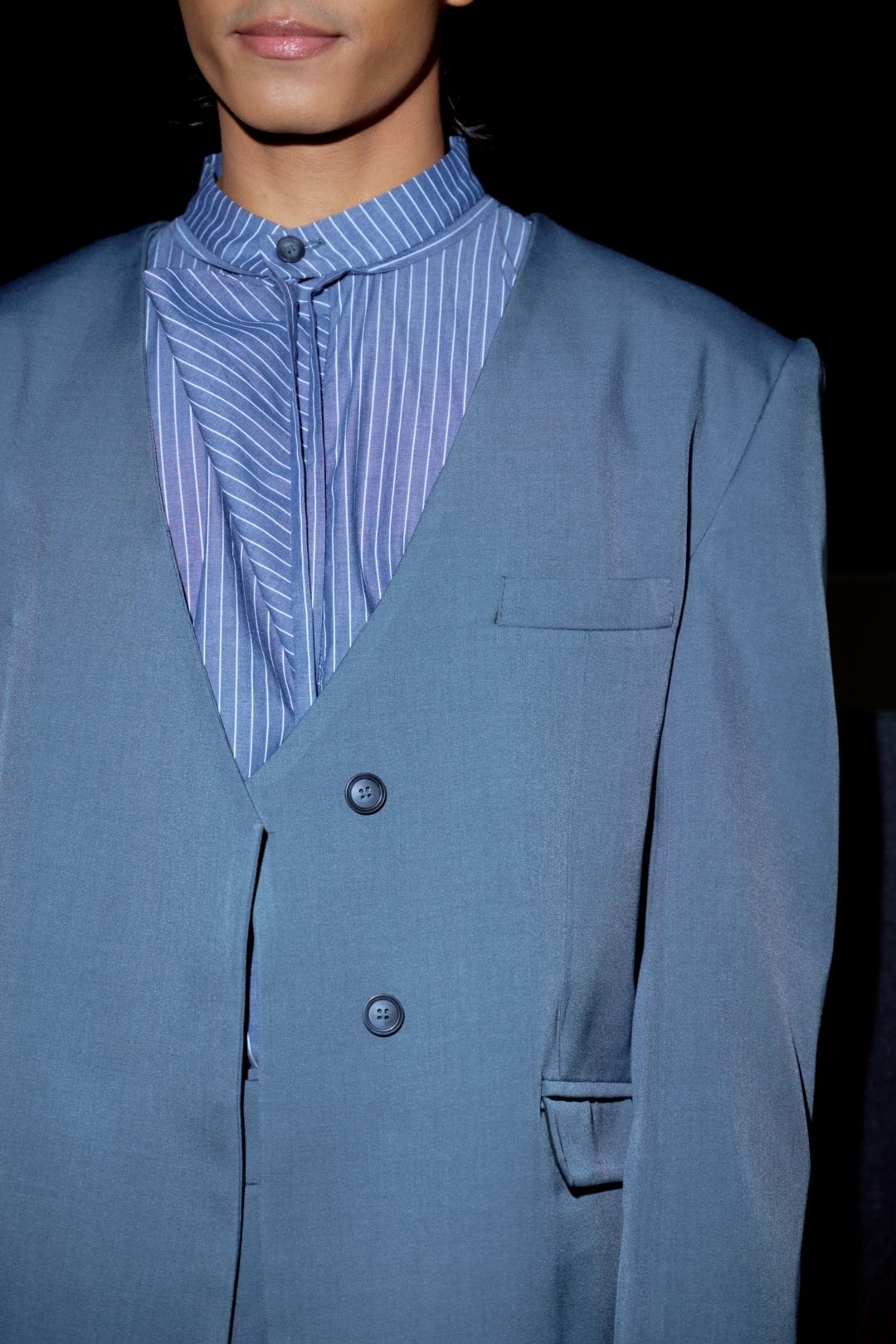
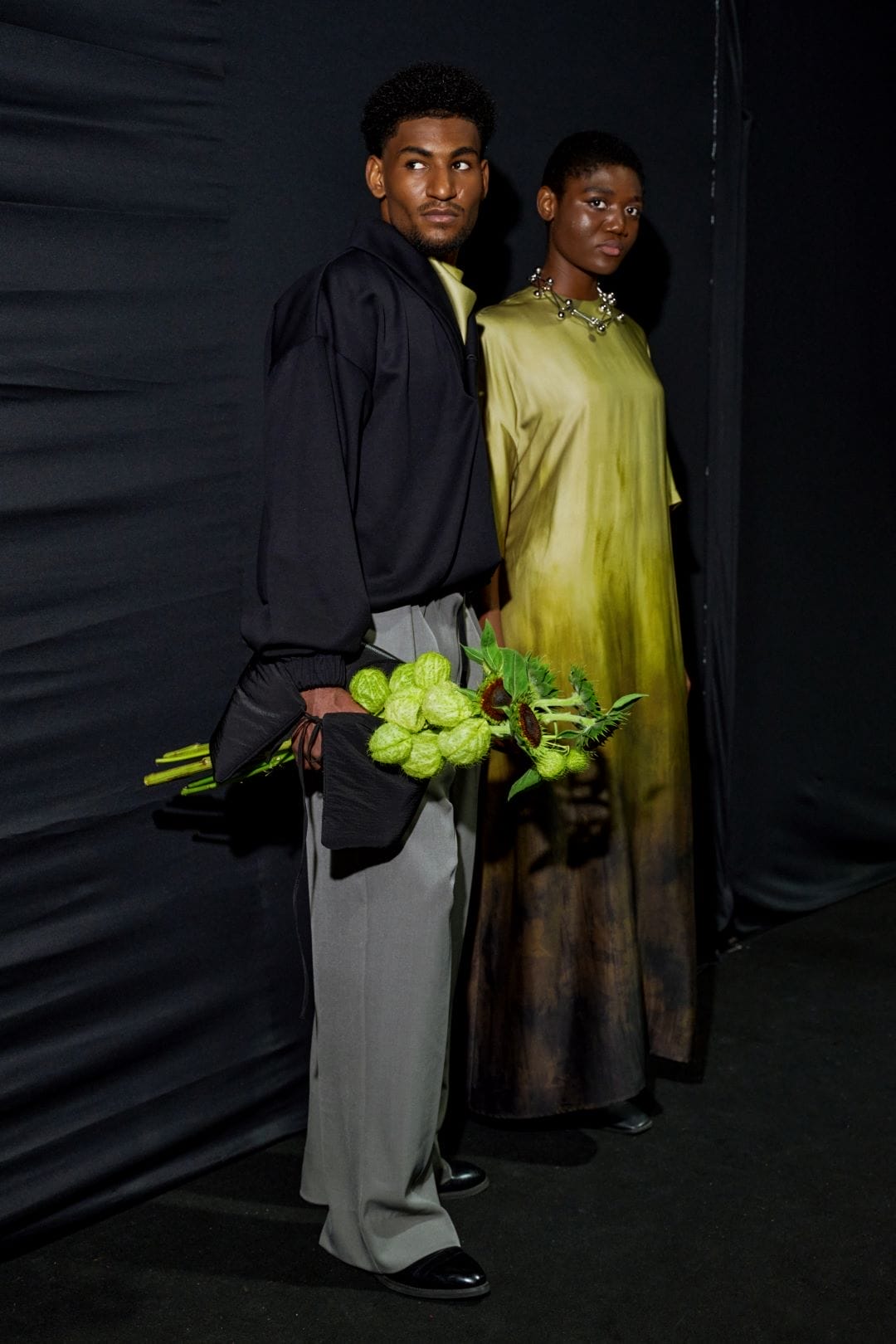
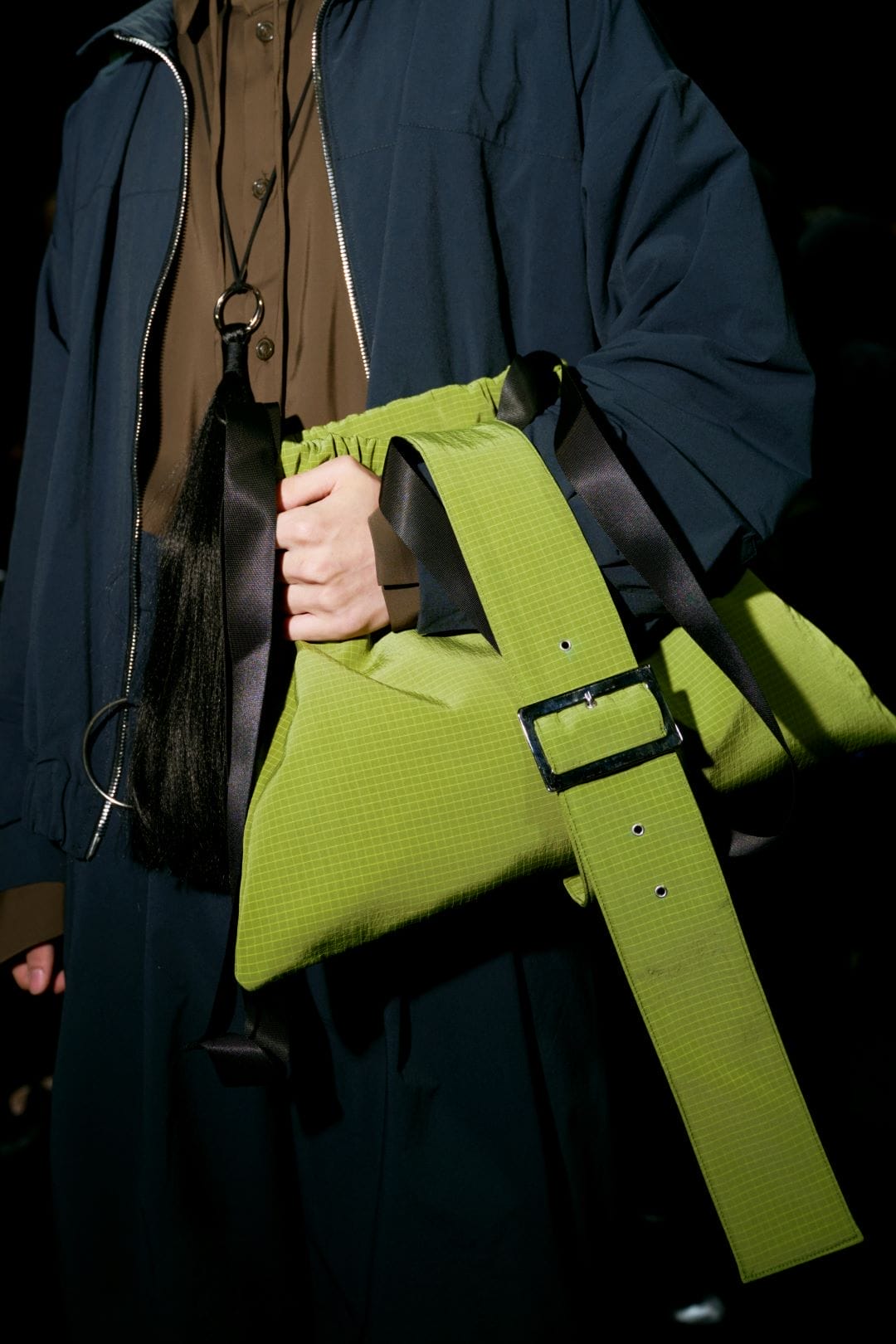
In Suara, you are venturing into menswear for the first time. What motivated this move?
Initially, I saw myself as a menswear designer, but I didn’t feel the local market was ready for it 10 years ago. I think now is the right time. My designs for women have always had a hint of masculinity—boxy cuts, structured silhouettes, and edgy detailing— so menswear feels like a natural extension. To be honest, I’m still experimenting and learning. Menswear is a totally different language. Even the buying behaviour is different; men don’t shop as frequently, but when they do, they look for good, long-lasting quality pieces.
Looking back at your career, what is the biggest lesson you have learned?
To never give up, no matter how many times you fall. Just keep going.
