

To celebrate International Women’s Day, BAZAAR puts a spotlight on the Malaysian fashion designers who are making waves with their innovative designs.
Rain Chan is the founder of a London-based fashion label Cahaya Studios, which she describes as a “love letter to pleats”. During the pandemic, the Malaysian model-turned-fashion designer set off on a single-minded mission to learn all about the age-old technique, specifically from Rosamanda Pleaters, the North London factory behind beloved fashion pieces by Alexander McQueen, JW Anderson and more.
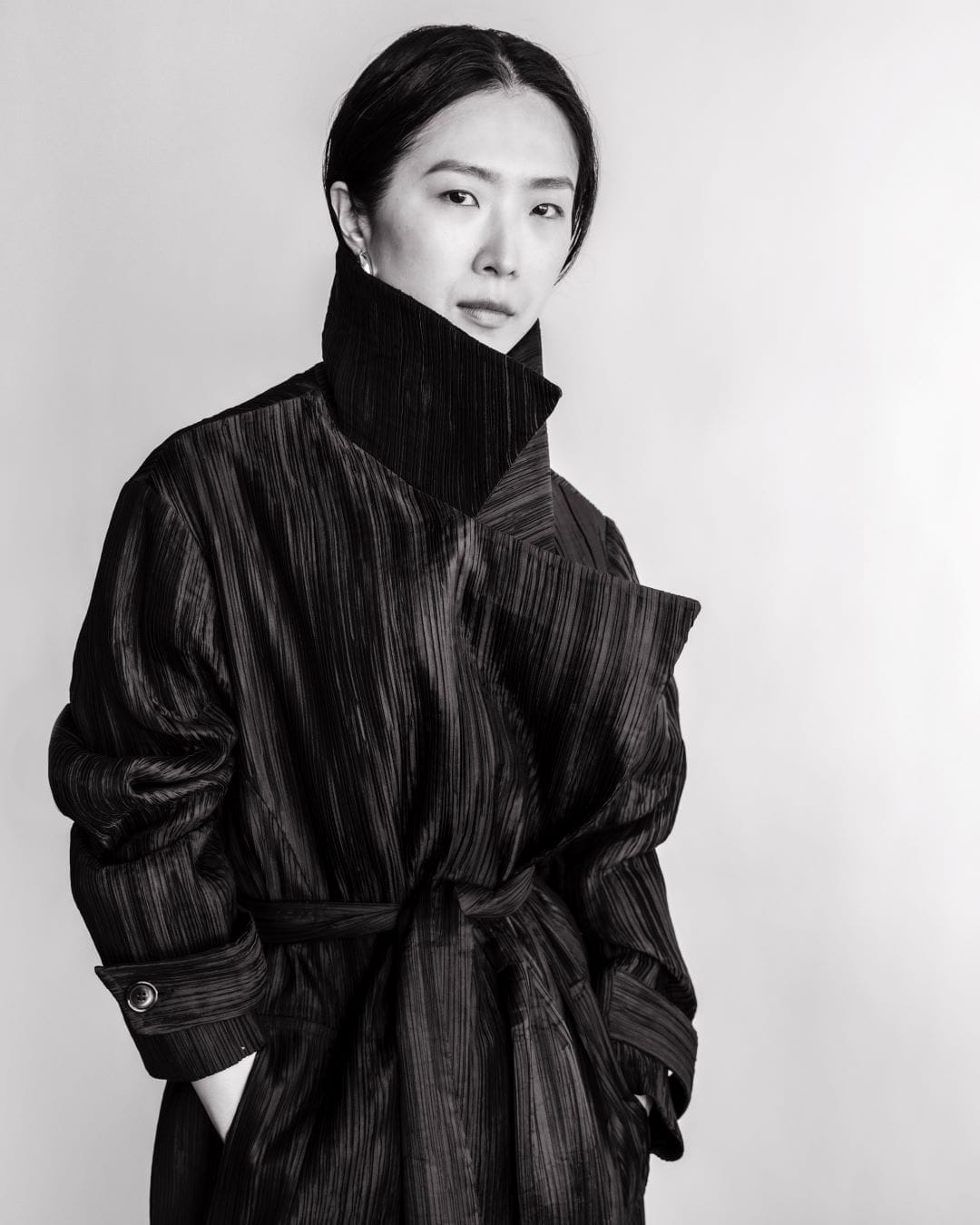
Rain Chan, founder of Cahaya Studios
“I was fascinated. I reached out in every way I could, including sending an e-mail to the son of the factory owner who eventually responded and invited me on a tour of the facilities,” she laughs. Chan stopped by the very next day and upon looking at the establishment’s impressive work, especially in its rich archives, she knew she could create something very special for herself and the world.
Below, Chan tells us more about Cahaya Studios and its range of modern pleated essentials.

Cahaya Studios’s collections are seasonless and genderless. (Photo: Pawel Herman)
You have been in the fashion industry for almost two decades now, starting out as a model travelling around the world. How do you think that experience has influenced your journey with Cahaya Studios?
The transition from being in front of the camera was quite natural in some ways because I’ve been working with other creatives–photographers, architects, artists, stylists, editors, directors, and fashion designers–for so long. In fact, the idea for starting this business came from a conversation with a Savile Row pattern maker; it was like finding the missing puzzle piece. It took about two to three years to do my research and I would get all my friends’ opinions along the way. Later, when it came to production, I felt that my experience in modelling gave me really good instincts. Over the years, I’ve worn so many different types of clothes that I can feel whether the cut, size and style is right, almost immediately when I wear it. It helps that I am a sample size; I was able to use my own body to make quick judgements. It saved a lot of time.


Tell us more about your process of research and development before launching Cahaya Studios in 2020.
I approached this project by asking myself a lot of questions; I needed to convince myself of the concept before I started selling it to anyone else. I knew that I wanted to work with pleats after browsing through the archives at Rosamanda Pleats; there were so many unique, unusual pleats that I’ve never seen before. I didn’t have a fashion design background, which made understanding this technique really difficult; it’s a totally different language. But it turned out to be a blessing because I was a blank canvas. I spent almost every day at the factory, hanging out with the pleater, Kyri. I didn’t expect to spend so much time there because it’s quite far away from where I lived in the West End. It wasn’t a comfortable place to be; there was no heating in the winter and Kyri, while he didn’t mind having me there, had a hot temperament! I learned so much from the pleaters and pattern makers, because they would let me ask questions, present new ideas, and push back on different rules.

How would you describe Cahaya Studio’s aesthetic?
Two words: texture obsession. Cahaya Studios offers an immersive, tactile experience that hopefully makes pleats more accessible to the wider public. I discovered that many people have rather outdated ideas about pleats; they think that only a certain body type can carry it or it “makes them look fat”.
You made a few early decisions, such as committing to your own schedule instead of the typical fashion calendar, well before it became the norm. Tell us more about that.
In such a busy world, especially in fast-paced cities like Kuala Lumpur and London, it’s hard to find peace and quiet in the mind. I design with a purpose, considering the functionality and durability of each garment. I’m hoping the people who buy my clothes are conscious about how they’re shopping. I produce at a slower pace, not to create exclusivity or become a ‘quiet luxury’ brand. I just want Cahaya Studios to be sincere in everything we create.

You’re currently based in London and we’ve seen Cahaya Studios sporadically in Kuala Lumpur over the years; you did a showcase at Mercedes-Benz Fashion Week in 2021. Will you be establishing more of a presence in Malaysia?
Right now, we ship internationally. 80 per cent of our clientele is based in London, with interest from the US, Denmark and China. But Malaysia is my home. It’s always in my heart. Even the name–Cahaya, which means ‘light’ in Malay–is a reminder of where I come from. With any endeavour, I just want to make sure I have the right collaborator who respects my values and is aligned with my mission. That said, I do have plans for more pop-ups in Asia so stay tuned.
